
The Soiling Crisis in Industrial Solar Deployments
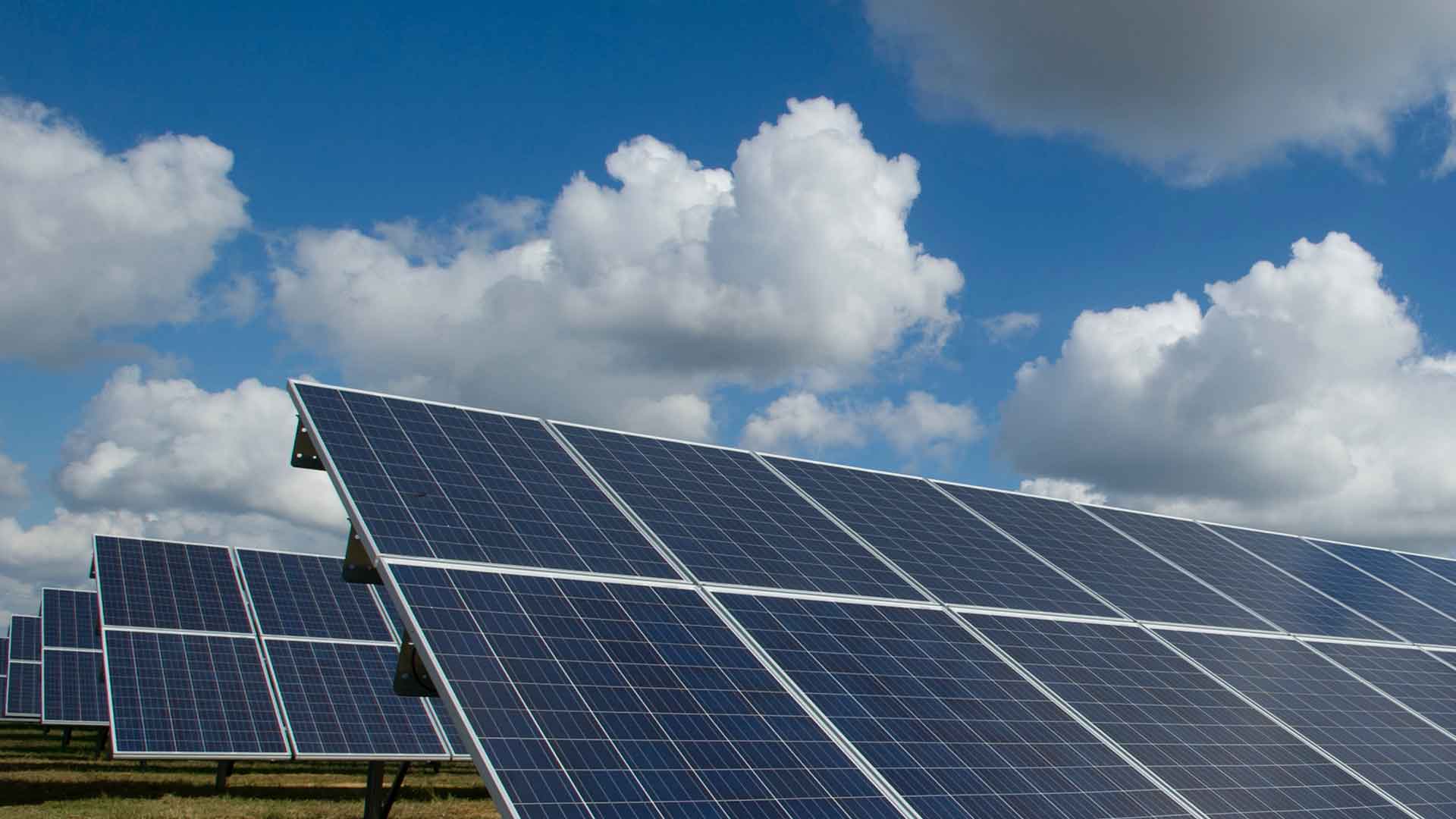
In industrial zones like Peshawar, Taxila, and Southern KP, particulate accumulation from marble processing plants, quarrying, brick kilns, and seasonal dust storms degrades solar generation at an alarming rate. Our field measurements at industrial rooftop installations show uncleaned PV arrays losing between 18% and 28% of their nominal peak power within 21 days of dry operation.
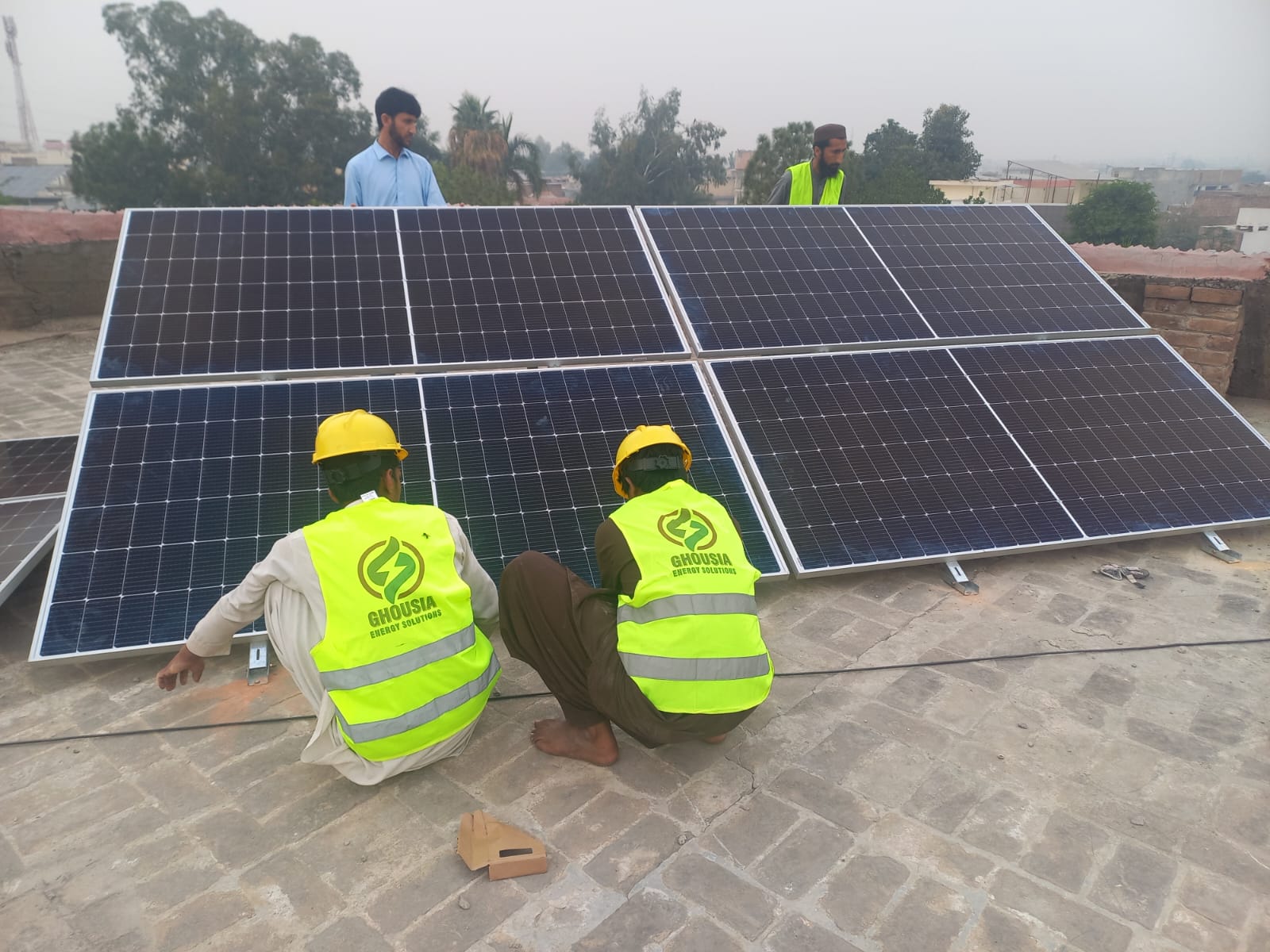
Traditional manual cleaning with high-pressure water hoses is not only economically wasteful in water-stressed regions, but introduces catastrophic micro-crack risks when laborers step on modules or wash hot glass during daylight hours. To solve this sustainably, Ghousia Energy Solutions engineered the SolarCleanerBot platform.
Robotic Kinematics & Chassis Engineering
Operating continuously on an inclined solar plane (up to 25° tilt angle) requires specialized mechanical and electrical design considerations:
- Soft-Durometer Silicone Rubber Tracks: High-grip tracks distribute robot mass (under 24 kg) across multiple panel frames, ensuring zero point-pressure on silicon wafer layers.
- High-Speed Counter-Rotating Microfiber Roller: A 1,200 RPM helical microfiber brush lifts fine silica dust particles without abrasive friction, sweeping particulate down the module slope through laminar aerodynamic airflow.
- Twin Brushless DC Motors with Planetary Gearboxes: Providing high torque at low speeds, enabling the chassis to traverse module-to-module inter-row gaps of up to 40mm without stalling.
Waterless Operational Economy
For a 1MW C&I solar power plant, manual wet washing consumes approximately 120,000 liters of treated water annually. SolarCleanBot accomplishes equal or superior surface cleanliness with zero water consumption, preserving water tables and reducing operating expenditure by 72%.
Specifications: SolarCleanBot Model Comparison
| Specification | GER250SM (Compact) | GER250DM (Commercial Dual) | GEV1200 (Industrial Utility) |
|---|---|---|---|
| Cleaning Span Width | 620 mm | 850 mm | 1,200 mm |
| Cleaning Velocity | 18 m/min | 22 m/min | 25 m/min |
| Maximum Panel Tilt | 22° | 25° | 28° |
| Power Source | 24V 15Ah Li-Ion | 24V 25Ah Li-Ion | 36V 30Ah LiFePO4 |
| Control Interface | 2.4GHz RF Handheld | RF + Autonomous Boundary Sensors | Autonomous RTK GPS + Fleet Telemetry |
Field Deployment Results
In side-by-side comparative trials at an active marble industrial facility in Taxila, arrays cleaned three times per week by SolarCleanBot maintained an average performance ratio (PR) of 82.4%, compared to 65.1% on adjacent uncleaned test arrays, fully amortizing the robot investment within seven months of continuous service.